String Immutability Hiccups
· 10 min read


You know String is immutable. But did you ever wonder how deep the rabbit hole can go?
You know String is immutable. But did you ever wonder how deep the rabbit hole can go?
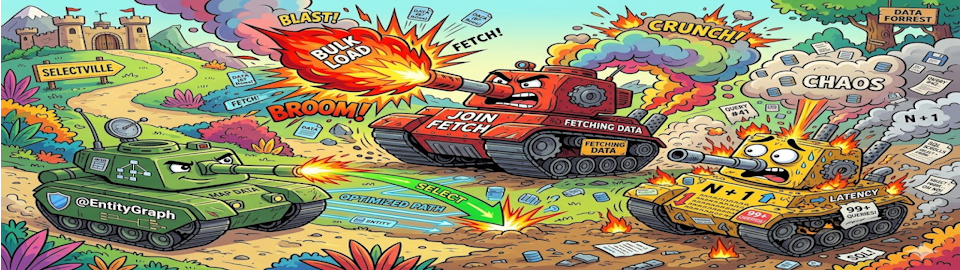
Sometimes, you are asked about the N + 1 problem. So here we are, finding the answer by going deep down the rabbit hole.
You've been warned. You've read the theory. Maybe you even read my previous article about why equals() and hashCode() are so treacherous on JPA entities.
But theory is easy to ignore. Log output is not.
Sometimes, you wonder why JPA entities are a very different beast type in the large world of Java.
The A.I. storm is approaching, provoking dread and fear in isolation!
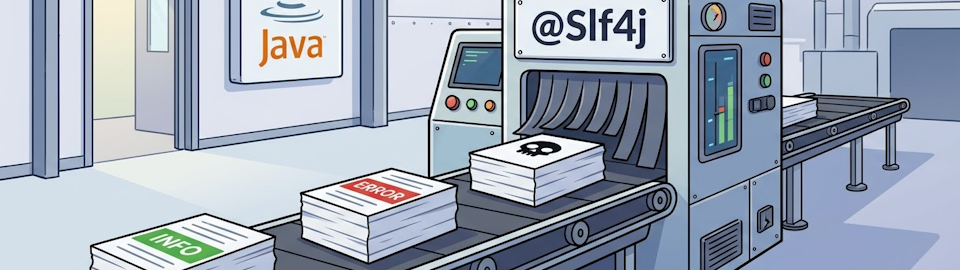
Today's lesson: logging. I know, I know. "It's just printing stuff." Sure. And a forest fire is "just a candle". Let's talk.
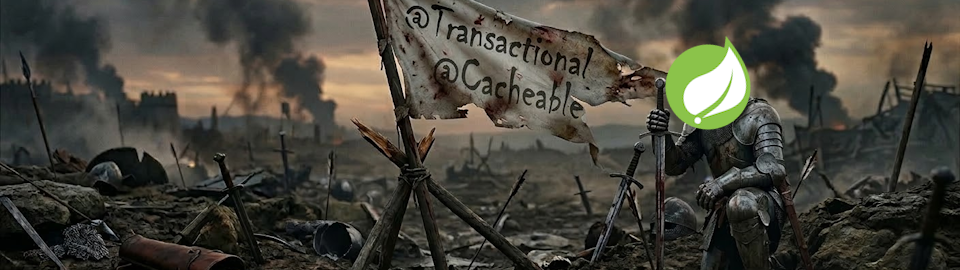
So you've discovered the magical world of @Transactional, @Async, @Cacheable, and their friends? Wonderful. You're living in the future now.
Under the hood, Spring AOP works by wrapping your beans in proxy objects. Those fancy annotations only fire when a call passes through that proxy. Break the rules and Spring silently does nothing: no error, no warning, just broken behavior at 2 AM while your on-call phone buzzes and the server fans spin up to jet engine levels.

Listen, I'm just going to say it: dealing with date and time in programming is one of the circles of hell Dante forgot to mention. It's right there between "people who talk in movie theaters" and "folks who don't use version control."

What is defensive copy? What defensive copy?

So, Java is dead. Again. For the 4996th time this year, apparently.
If I got one dollar every time I heard that phrase, I would be richer than Elon Musk in a matter of months. Seriously, I could probably buy Twitter myself and rename it back to something sensible.